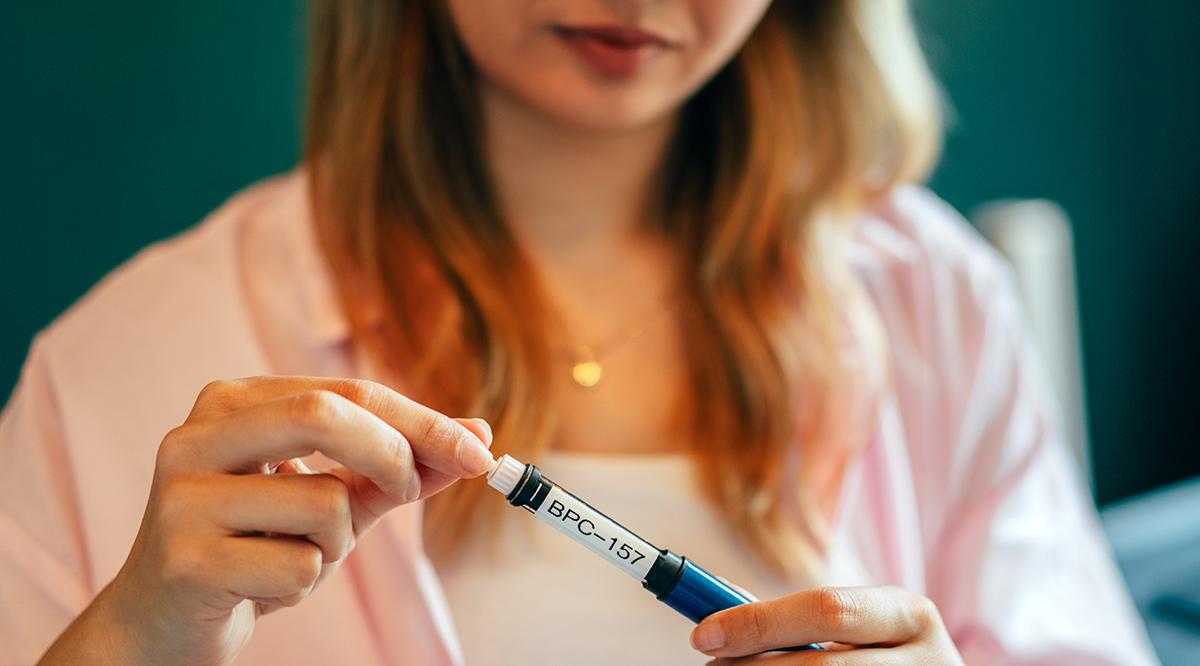
Gently swirl the vial to dissolve the powder evenly
Lyophilized peptides are usually stable at room temperatures for several weeks or more, so if they will be utilized within weeks or months such storage is typically adequate
Exercise Recovery Active adults and athletes often seek therapies that may help support: Recovery between training sessions Physical performance goals Long-term musculoskeletal health Post-Procedural Recovery Some regenerative medicine providers incorporate peptides alongside other recovery-focused therapies as part of individualized treatment strategies
Here is the math for the first 16 weeks of standard titration

Animal Research Context: Scaling from Rodents Preclinical studies with Dihexa and angiotensin IV analogues employed doses that ranged considerably depending on species, route, and outcome measured: Intravenous (IV) Administration Animal studies using intravenous dosing (which bypasses absorption barriers and achieves near-complete bioavailability) reported cognitive and neuroprotective effects at: 0.1 to 2.0 mg/kg in rodent studies (McCoy et al., 2013) Doses at the higher end of this range (12 mg/kg IV) produced robust behavioral effects For a 70 kg human, equivalent to 70140 mg total IV dose (crude extrapolation) However, direct extrapolation from rodents to humans is unreliable due to differences in metabolism, brain penetration, and receptor sensitivity Intraperitoneal (IP) Administration IP dosing (injection into the abdominal cavity, with slower absorption than IV) showed effects at: Up to 10 mg/kg in some studies Lower bioavailability than IV, requiring higher nominal doses for similar effects This route is not practical for human use Why Rodent Dosing Doesn't Directly Translate Rodent pharmacokinetics differ substantially from humans

Thus, it may be expected that in an immunocompetent setting our tested approach of HGF/c-MET inhibition would be even more effective since it will not only block cancer cell growth due to PSCcancer cell interactions but will also inhibit immune suppression, thereby allowing T cell-mediated cytotoxic effects on cancer cells