A double-blind, placebo-controlled, multicenter study of 90 patients found that intramuscular ALC (500 mg twice daily for 14 days followed by oral ALC 1,000 mg twice daily for 42 days) produced significantly greater reduction in pain compared with placebo in the efficacy-evaluable population (P=0.022).[4] An open cohort study of 21 HIV-positive patients with established ATN treated with oral ALC 1,500 mg twice daily for up to 33 months demonstrated remarkable nerve regeneration: mean immunostaining area for small sensory fibers increased 100% in epidermis and 133% in dermis after 6 months, with neuropathic grade improving in 76% of patients.[5] However, a subsequent open-label study found that while ALC therapy coincided with improvements in subjective measures of pain, changes were not observed in objective measures of intra-epidermal nerve fiber density or mitochondrial DNA levels.[6] Context with Other Treatments: Second-line or adjunctive therapy for ATN

Riboflavin responsive and-non-responsive mutations in FAD synthase cause multiple acyl-CoA dehydrogenase and combined respiratory-chain deficiency
Yes, but primarily for patients diagnosed with Type 2 diabetes who meet defined clinical and prior authorization requirements
Discover the benefits of Agobi Dietary Supplements
SC and NB performed the literature search
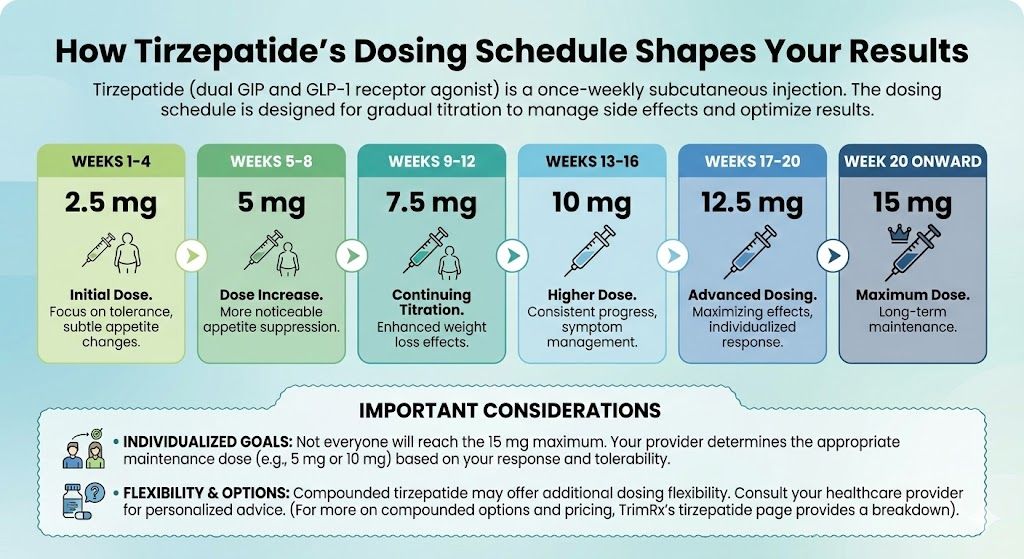
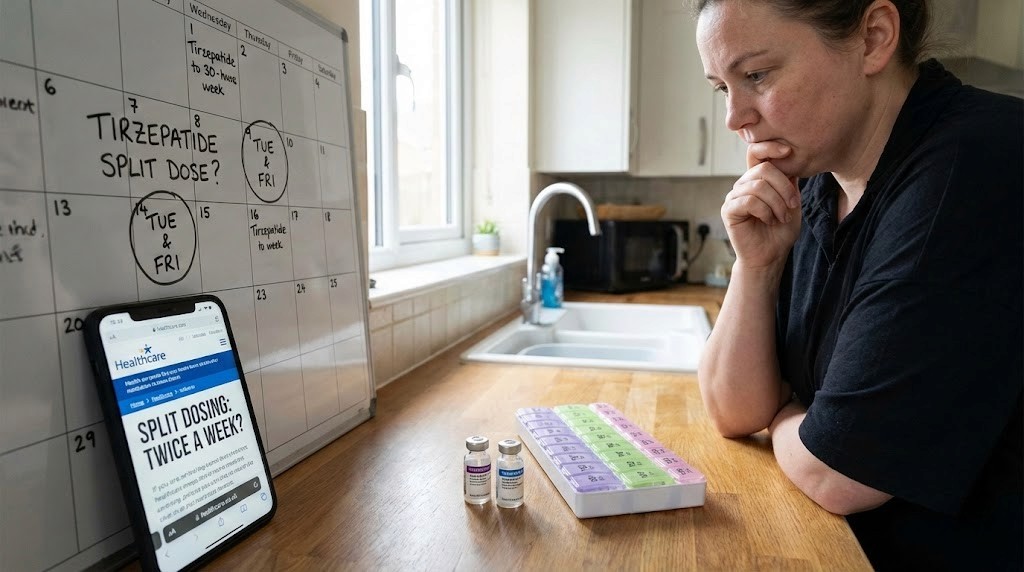
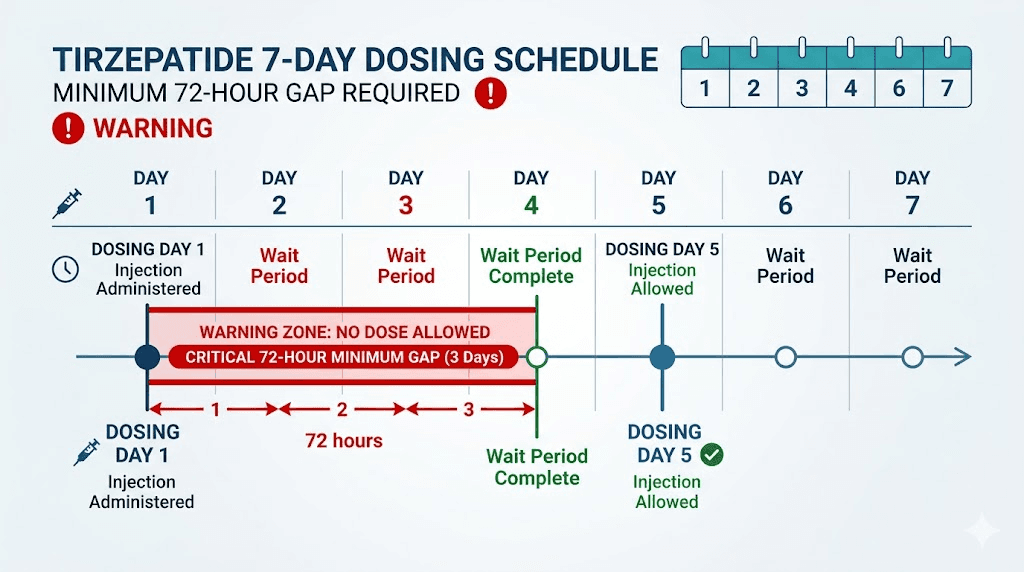
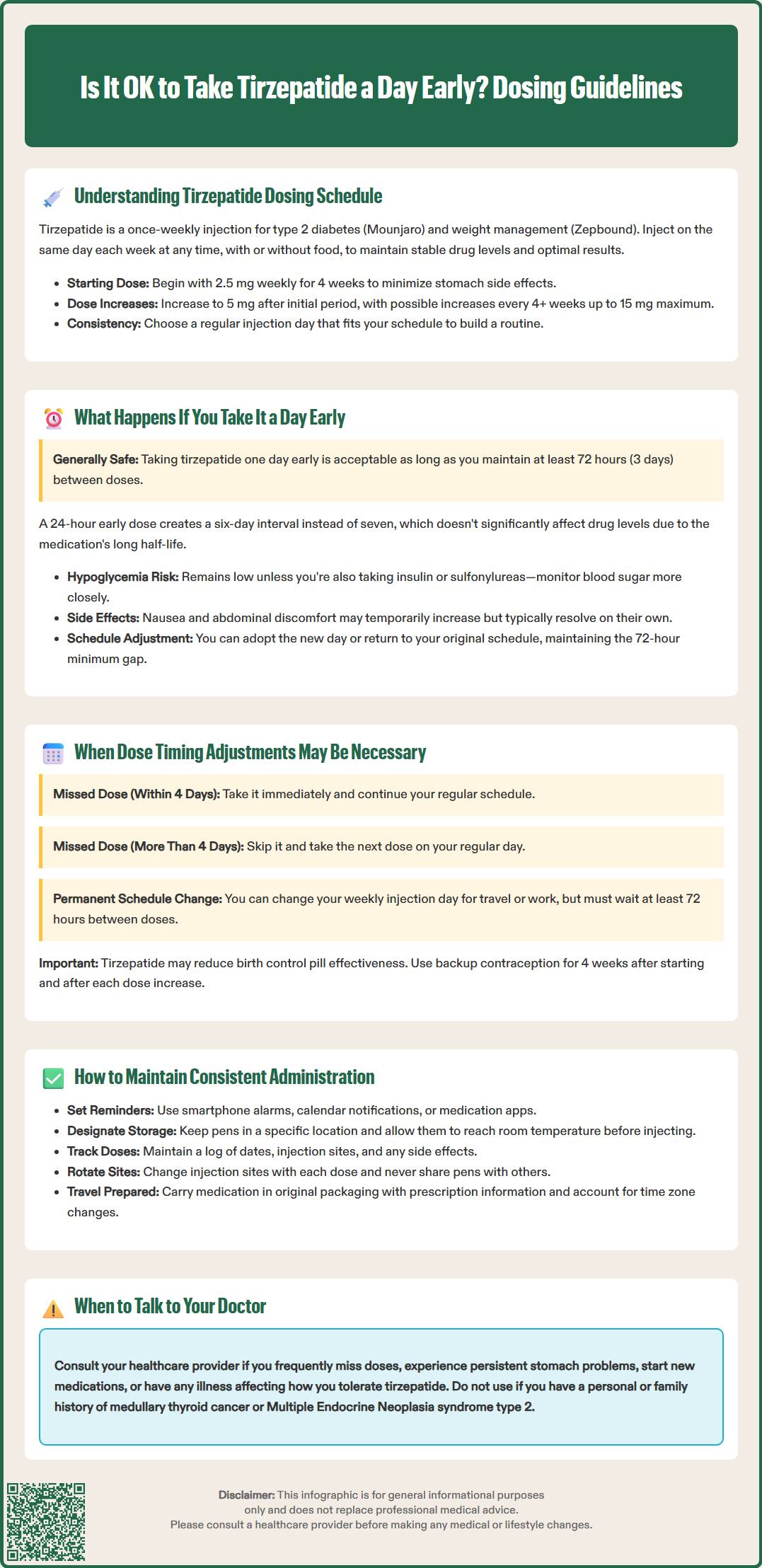
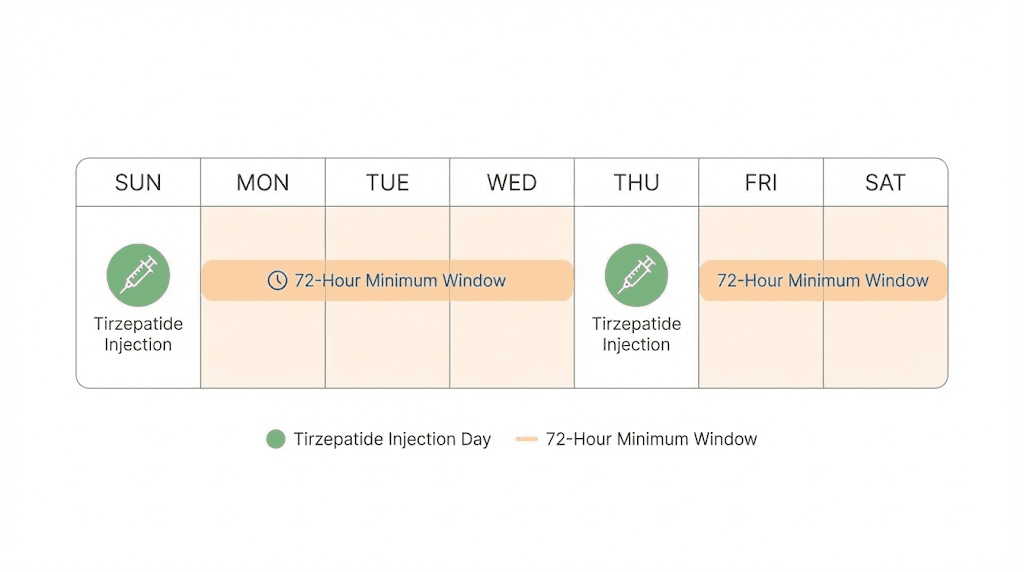
To prevent accidental double dosing, patients should establish a consistent routine for their weekly injection, ideally on the same day each week