BPC-157s anti-inflammatory action has a two-fold benefit: Helps with pain management Enhances overall recovery by creating a more favorable environment for healing Beyond its benefits in muscle and tendon repair, BPC-157 has experimental use in: Joint health
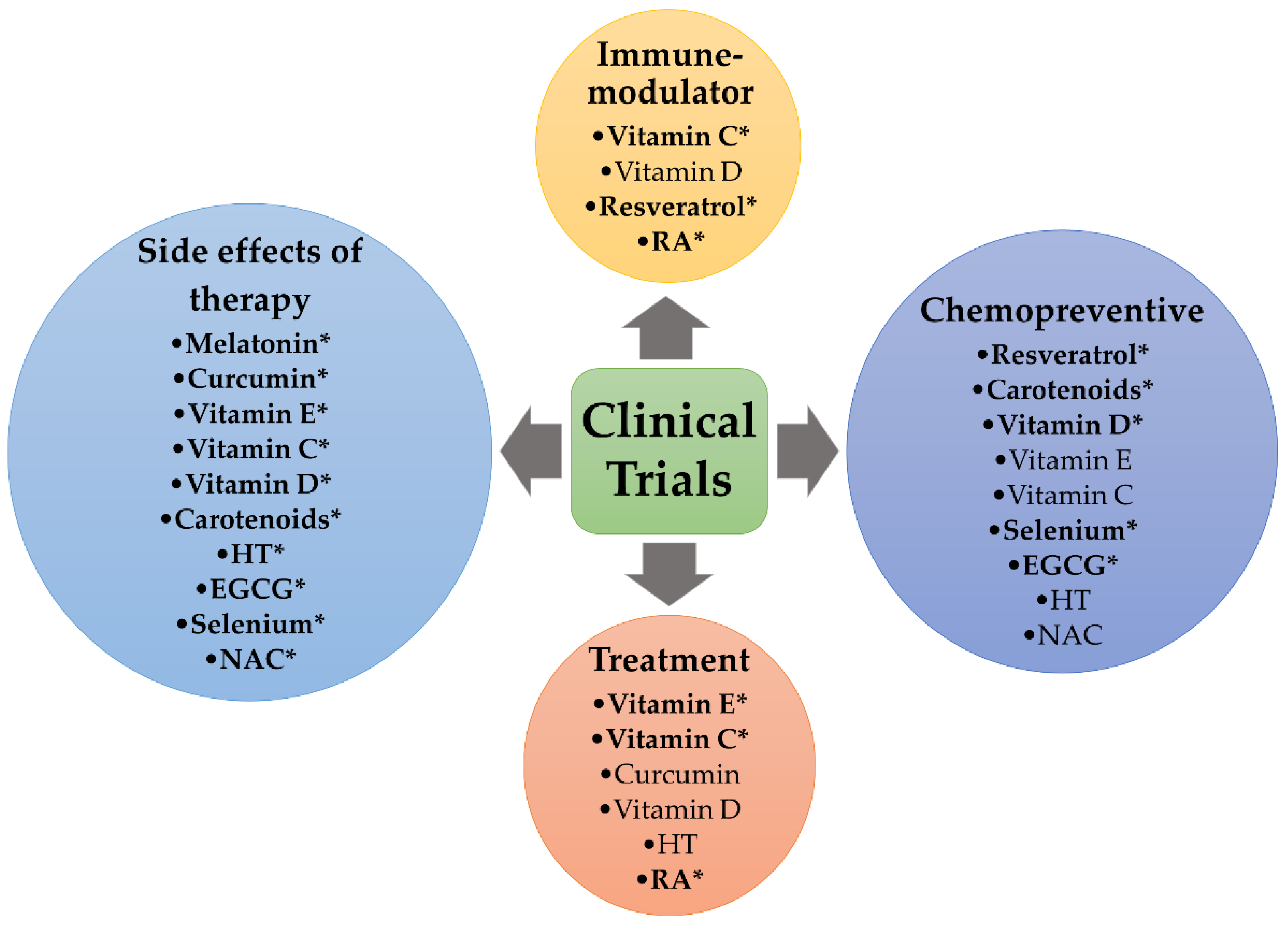
Some studies have looked at the use of antioxidants alongside traditional light therapies to see if they improve outcomes
Topical Aesthetic Uses GHK-Cu serums and creams are often integrated into: Post-microneedling protocols Post-laser healing Anti-aging skincare regimens Sensitive skin barrier support Acne scar recovery plans Adjunctive Regenerative Support Used alongside modalities such as: PRP Exosomes Energy-based devices Chemical resurfacing GHK-Cu may help enhance healing and reduce inflammation, although more comparative research is needed
Theoretical interactions exist with NSAIDs, anticoagulants, and CNS-active drugs
ROS can either (i) promote protumorigenic signaling supporting the proliferation and survival of cancer cells or (ii) conversely promote antitumorigenic signaling and oxidative stress-induced cancer cell death (Reczek and Chandel 2017)
- Awakens Dormant Follicles: Signals "resting" hair roots to enter the growth phase, leading to visible new "baby hairs" and improved coverage in thinning areas