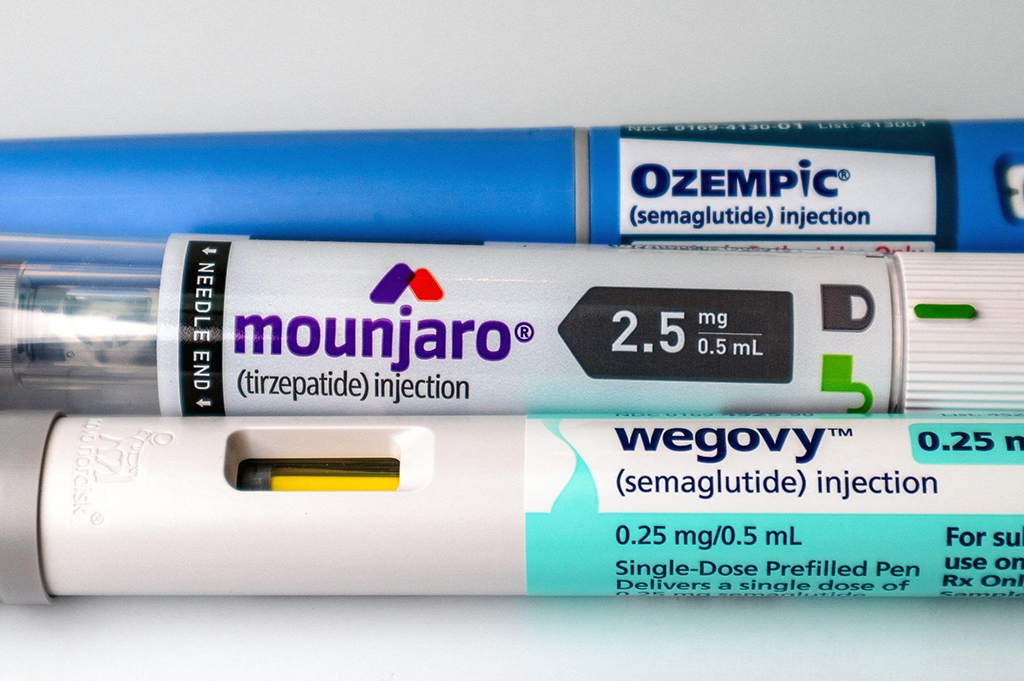
Each tablet contains a semaglutide dose: 3mg, 7mg or 14mg per tablet
The following adverse effects were reported in patients receiving semaglutide injection or oral tablets across all clinical trials and at incidences higher than with placebo: nausea (11% to 44%), vomiting (5% to 24%), diarrhea (8.5% to 30%), abdominal pain (5.7% to 20%), abdominal distention (2% to 7%), constipation (3.1% to 24%), dyspepsia (0.6% to 9%), decreased appetite (6% to 9%), eructation (0.6% to 7%), flatulence (0.4% to 6%), gastroesophageal reflux disease (1.5% to 5%), gastroenteritis (4% to 6%), and gastritis (0.4% to 4%)
I had to lie in bed for the rest of the day and night
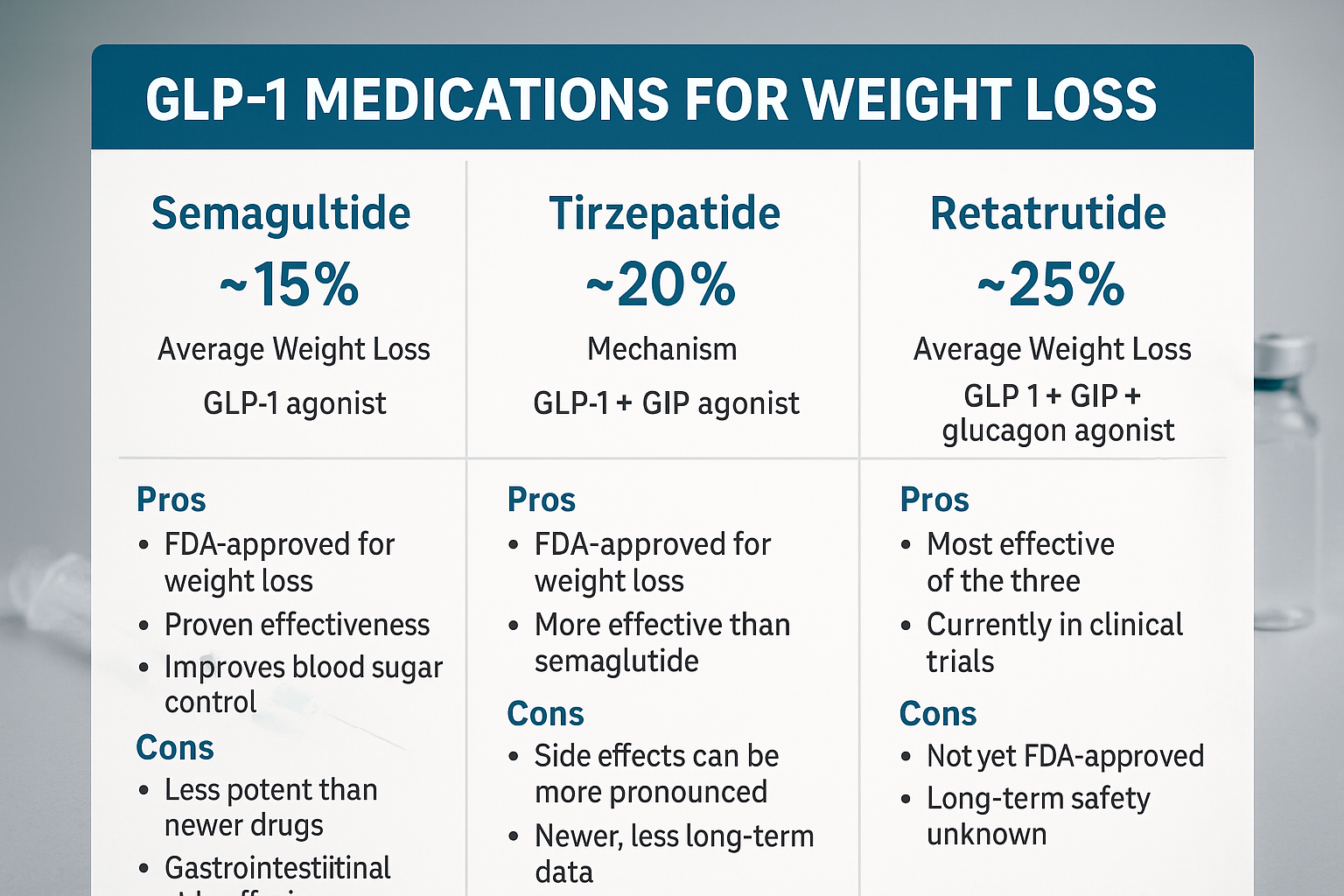
What Makes Zepbound Different From Lipo C Zepbound is the brand name for tirzepatide, an FDA-approved medication that activates both GLP-1 and GIP receptors in the brain and gut
To be clear, berberine has a good safety profile, says Jordan
In fact, the same mechanism that causes constipation is responsible for appetite suppression and weight loss











02105-1/asset/8468e457-0c7f-4e4c-9b6d-2202dbefa9cb/main.assets/gr1_lrg.jpg)