The peptide complex contains fragments associated with the following neurotrophic factors: BDNF (brain-derived neurotrophic factor) supports neuronal survival, synaptic regulation, learning, and memory formation NGF (nerve growth factor) promotes survival of sensory neurons and supports acetylcholine signaling GDNF (glial cell line-derived neurotrophic factor) aids axonal regeneration and helps prevent neuronal apoptosis (programmed cell death) CNTF (ciliary neurotrophic factor) plays a role in protecting motor neurons from degeneration P21 a neuropeptide fragment associated with enhanced neurogenesis and brain tissue adaptability Enkephalins endogenous opioid peptides involved in stress and pain regulation Orexin influences arousal, sleep-wake cycles, appetite, and cognitive motivation A brief history of Cerebrolysin Cerebrolysin was first developed in 1949 by Austrian professor Gerhart Harrer and received regulatory approval in Austria in 1954

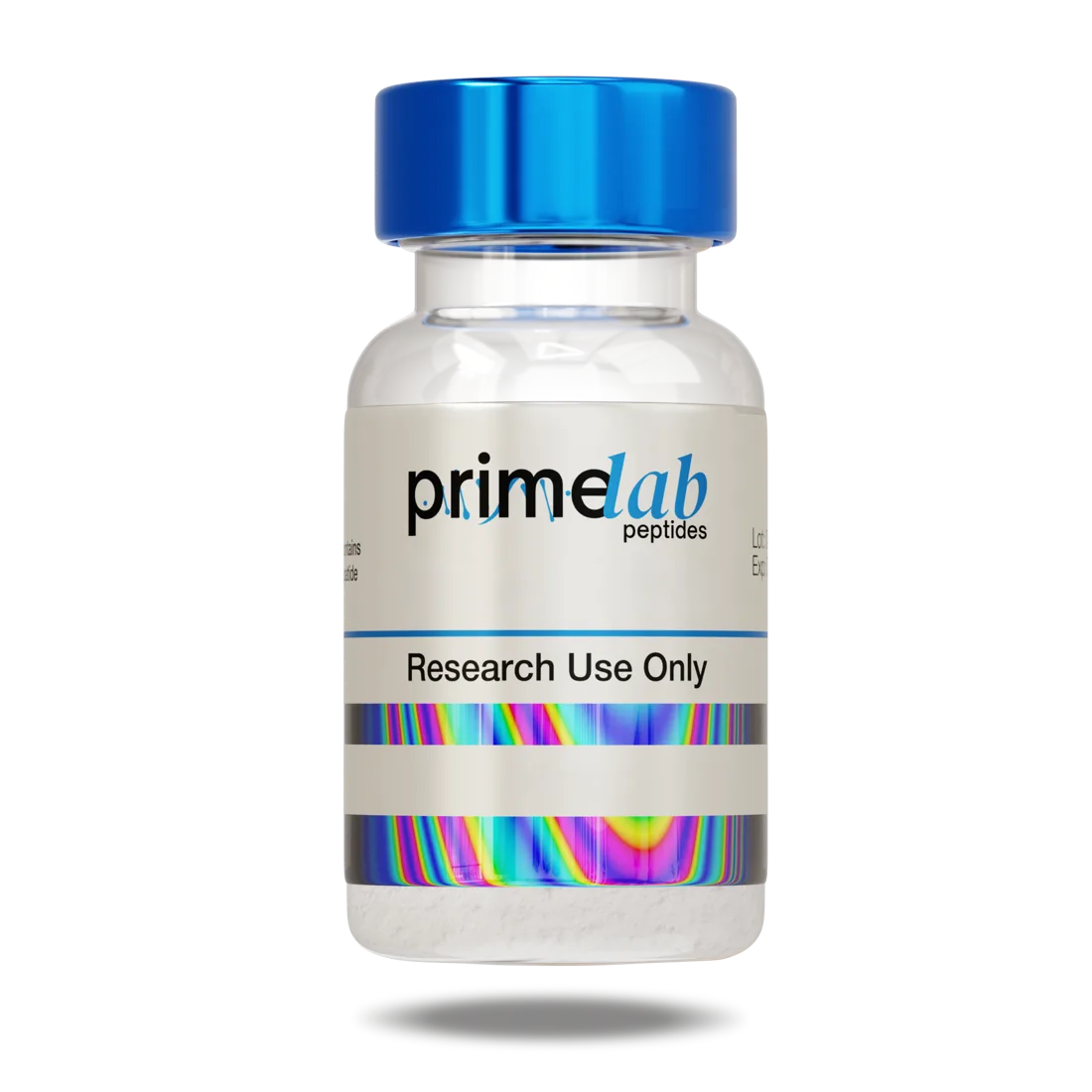
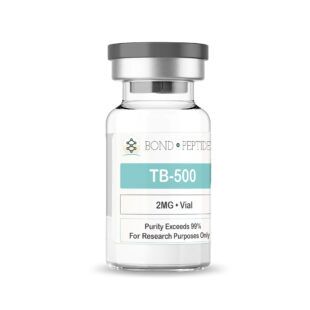
Spontaneous Adverse Report FDAs 2026 BPC-157 briefing document describes a spontaneous report involving a BPC-157 and TB-500 product labelled for research purposes
Subjects who combined the Glow Stack with Retatrutide showed skin tightening in areas affected by weight loss
The combination enables investigation of VEGFR2-mediated growth factor signalling alongside actin cytoskeleton dynamics, offering researchers comprehensive tools for studying complex cellular processes
Active form: Cyanocobalamin As An Active Ingredient Vitamin b12 injection for cats comes with two different active ingredients to treat low levels of cobalamin
It also has significant antioxidant effects and has been shown to inhibit carcinogenic receptor expression, which has led to research into its potential anti-tumor effects in breast and colorectal cancer