The clinical potential of articular cartilage-derived progenitor cells: a systematic review
Reach out to us for your requirements To view or add a comment, sign in More Relevant Posts It was a pleasure to present our most recent work at #EBMT26 in Madrid
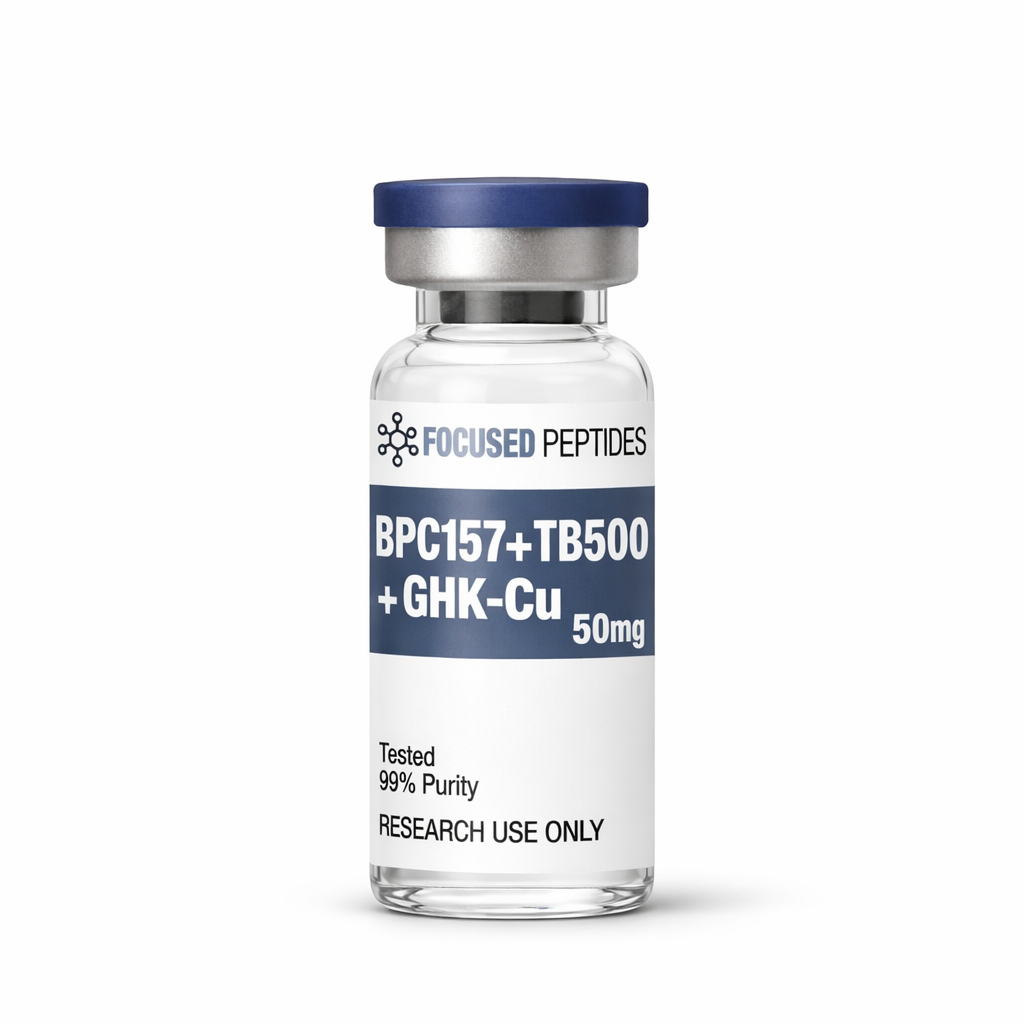
Key Areas of Research: Structural: collagen, matrix, connective tissue Dermatological: wound healing, skin regeneration, hair growth Systemic: inflammation, repair, recovery Together, these findings suggest broad experimental potential for GHK-Cu across structural, dermatological, and systemic pathways
Prioritizing protein at every meal and considering supplementation (whey, casein, or plant-based protein) can help patients hit their daily target even when eating less overall.
Excess copper contributes to oxidative stress, inflammation, and potential toxicity, the opposite of what GHK-Cu is supposed to do. Researchers have generally found that GHK-Cu helps regulate copper rather than overload it, but the line between beneficial and harmful copper exposure depends on dose, tissue type, and individual biology
Nutrient density, portion control, and intentional purchasing are gaining importance