Clinical red flags that suggest cardiac origin include: sudden onset of severe symptoms, radiation to typical cardiac distribution areas, associated autonomic symptoms (sweating, pallor), exertional provocation, and risk factors such as prior cardiovascular disease, long-standing diabetes, hypertension, dyslipidemia, or family history of premature coronary disease
Clinical trial evidence includes small-scale studies and post-hoc analyses suggesting possible benefits
doi: 10.1016/j.actbio.2023.10.024 41 LuoYLiCZhangYLiuPChenHZhaoZet al
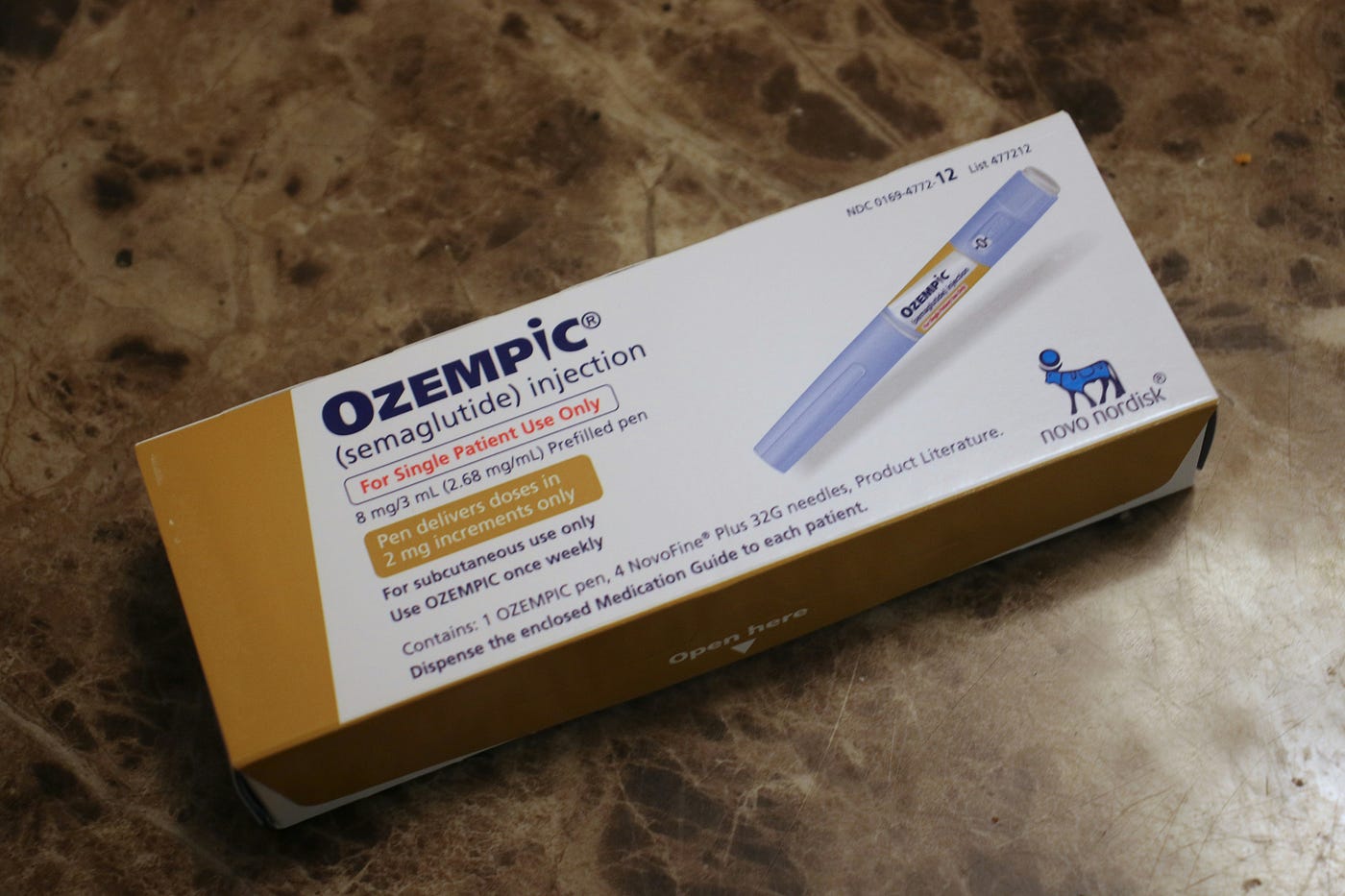
GLP-1 medications like Ozempic affect multiple body systems through these primary mechanisms: Stimulating insulin secretion: When blood glucose levels rise after meals, Ozempic triggers the pancreas to release insulin in a glucose-dependent manner, helping cells absorb sugar from the bloodstream Decreasing glucagon release: The medication suppresses the hormone glucagon, which normally signals the liver to release stored glucose, thereby preventing unnecessary increases in blood sugar Slowing gastric emptying: By delaying how quickly food leaves the stomach and enters the small intestine, Ozempic prolongs feelings of fullness and reduces post-meal blood sugar spikes this same mechanism (which healthcare providers now recognize) has been linked to severe complications in litigation Affecting brain receptors: The medication acts on GLP-1 receptors in brain regions that control appetite and satiety, contributing to substantial weight loss effects that led to its widespread off-label use The FDA approval in December 2017 marked the beginning of what would become one of the fastest-growing pharmaceutical markets in recent history

Dandruff primarily affects the scalp, while seborrheic dermatitis can also affect other parts of the body
Your mind feels foggy and your body aches without any clear reason









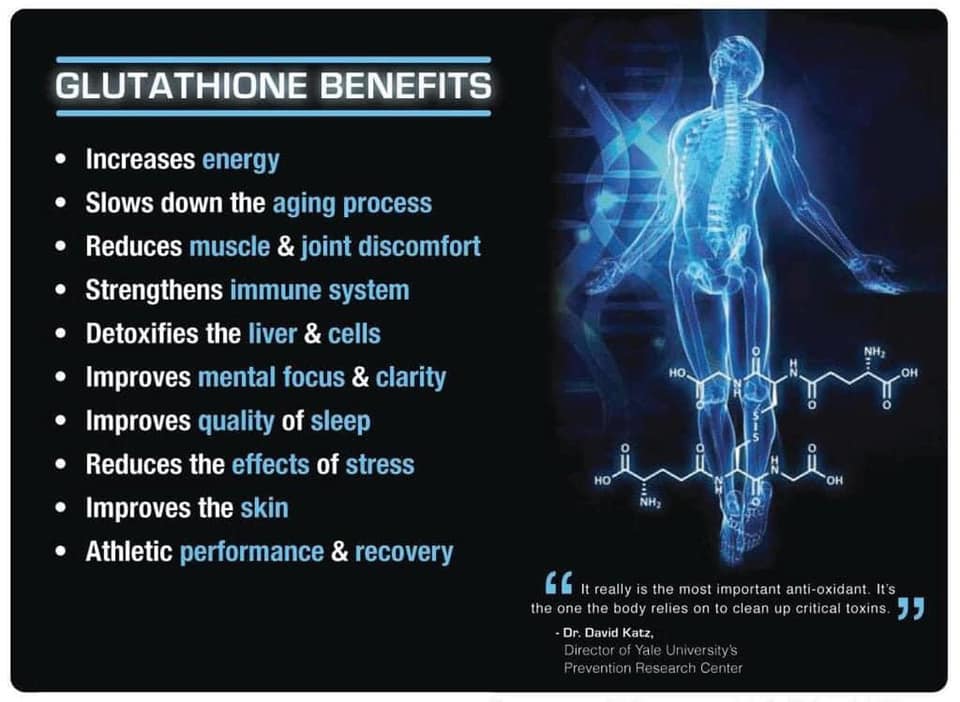
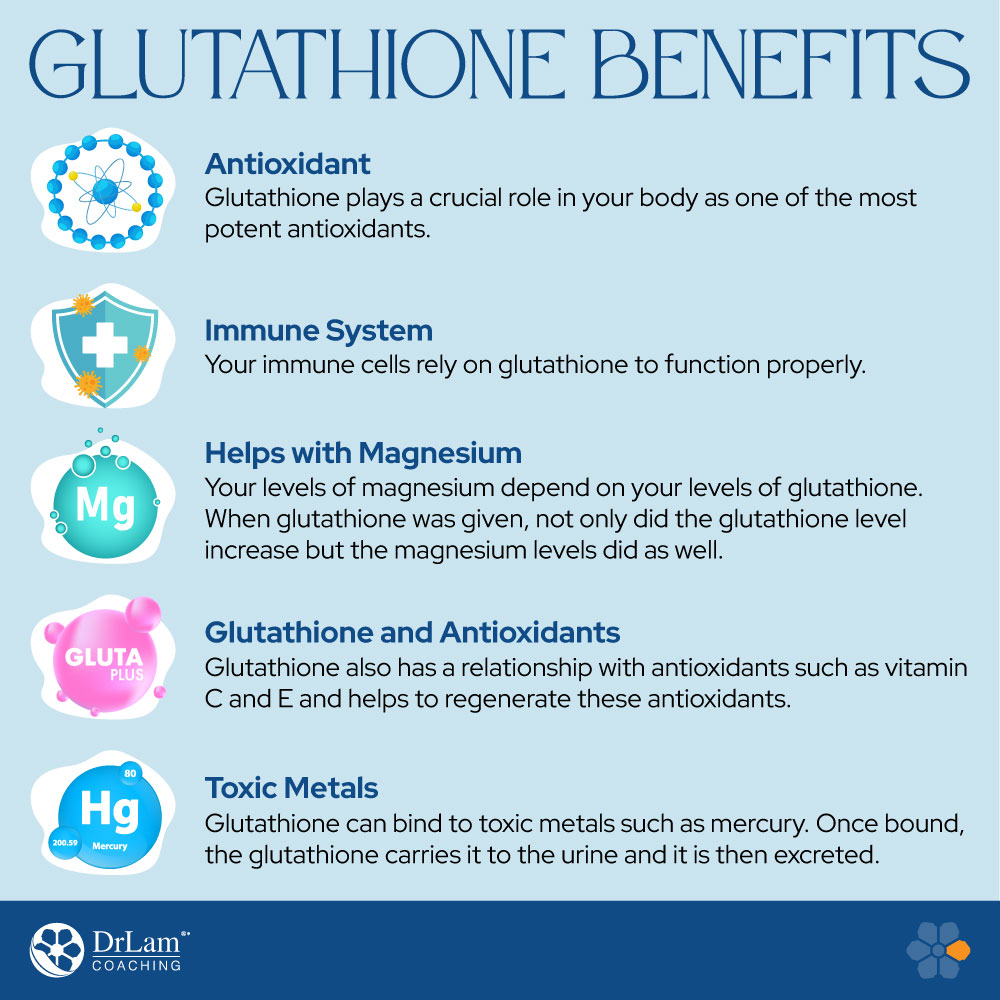
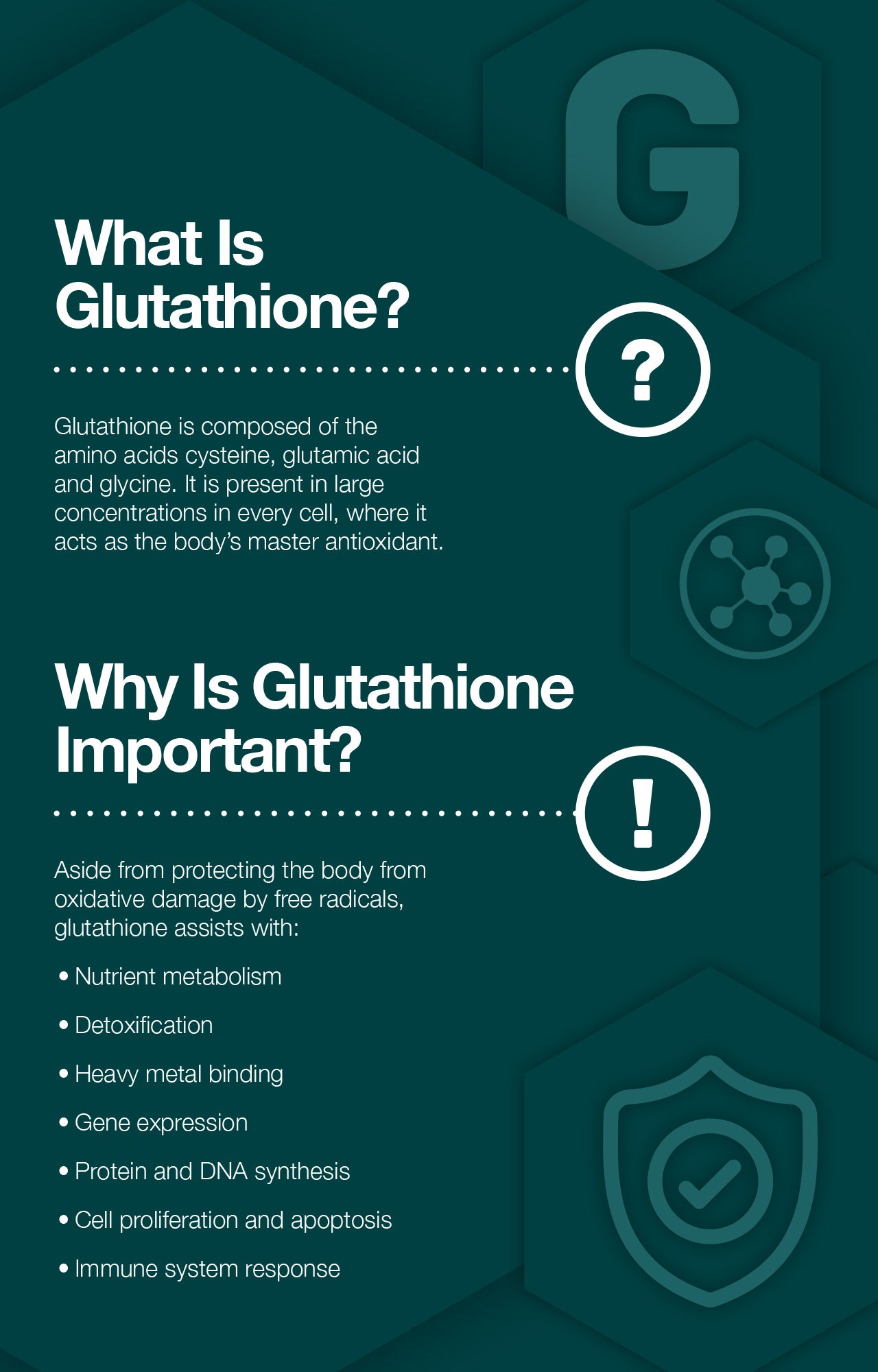
:max_bytes(150000):strip_icc()/benefits-of-glutathione-89457_final-01-502464fe91b2444285b0cccf8cb0a33c.png)