Therefore, its target population comprises people who want a proactive over-the-counter skin care product for:2 3 4 7 Antiaging (wrinkles, fine lines, and/or sagging skin) Striae, or stretch marks Hyperpigmentation concerns (e.g., melasma, dark spots) Hair growth Slow-healing wounds that arent bedsores or due to diabetes3 Inflammatory skin conditions (e.g., eczema, rosacea, etc.) Scarring due to injuries, surgeries, or acne Acne, including cystic acne Injectable GHK-Cu may also be used for cosmetic health, but its categorically broader range of benefits makes it additionally appropriate for people seeking a therapy for:3 10 24 27 Pain and inflammation Muscle, tissue, and ligament recovery Who should avoid GHK-Cu
Once in the dermis, GHK-Cu interacts directly with fibroblasts and keratinocytes
The faster and more fully you can repair muscle, connective tissue, and joints after intense training, the faster youll see gains and the less risk youll have of injury or chronic inflammation stalling your progress
The panel selected to review the evidence in July is made up of members who have ties to the peptide industry, including some who work for companies that offer injectable peptides
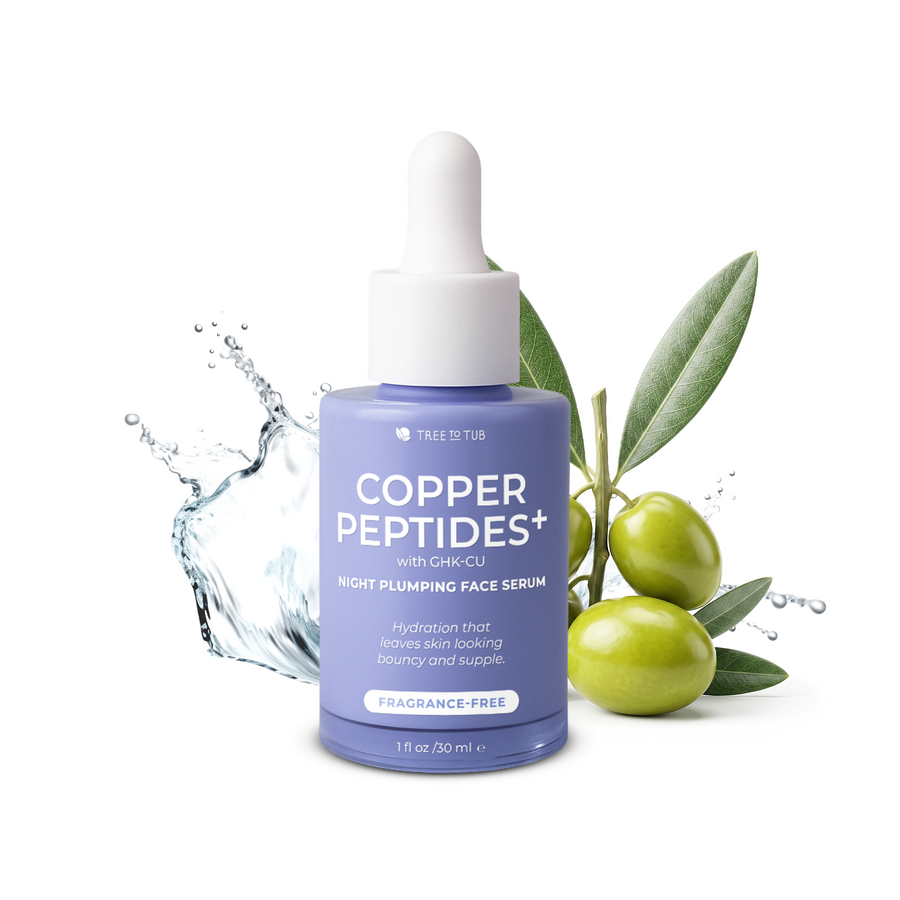
Injectable GHK-Cu vs Topical: Why the Source and Route Change Everything The consumer market for copper peptide serums is large
The goal is to wake up dormant follicles







![KLOW [80MG] – Legionary Peptides](https://legionarypeptides.com/wp-content/uploads/2026/02/klow80_peptide-936x1024.jpg)