By then, the recycling system has likely been running on empty for a while
Researchers first identified DSIP in the 1970s during experiments involving delta-wave sleep activity
The risk is not toxicity
This hormonal cascade works as follows: The hypothalamus releases gonadotropin-releasing hormone (GnRH) GnRH signals the anterior pituitary to release luteinizing hormone (LH) and follicle-stimulating hormone (FSH) LH stimulates the Leydig cells to produce testosterone Rising testosterone feeds back to the hypothalamus and pituitary to regulate production (negative feedback loop) Testosterone is responsible for: Muscle protein synthesis and lean body mass maintenance Bone mineral density Red blood cell production Libido and sexual function Energy, mood, and cognitive function Fat distribution and metabolic health Normal total testosterone in adult men ranges from approximately 300 to 1,000 ng/dL, with levels declining by roughly 1 to 2 percent per year after age 30 (Harman et al., 2001)
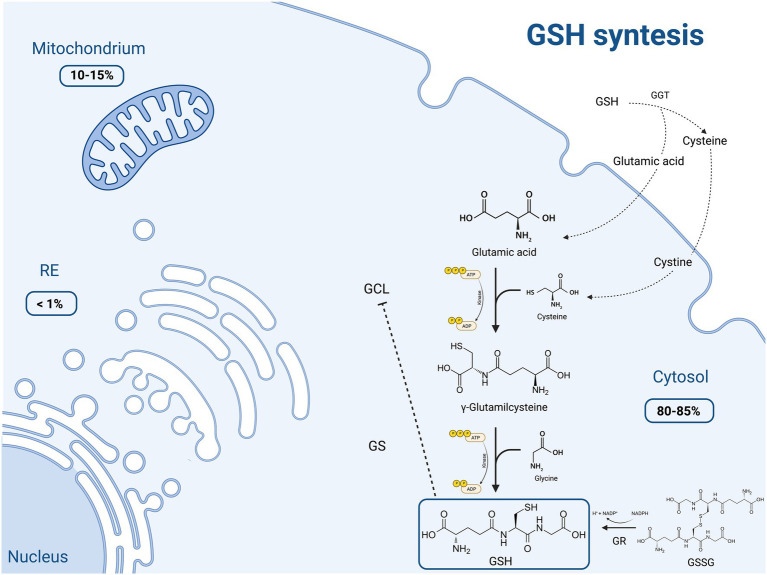
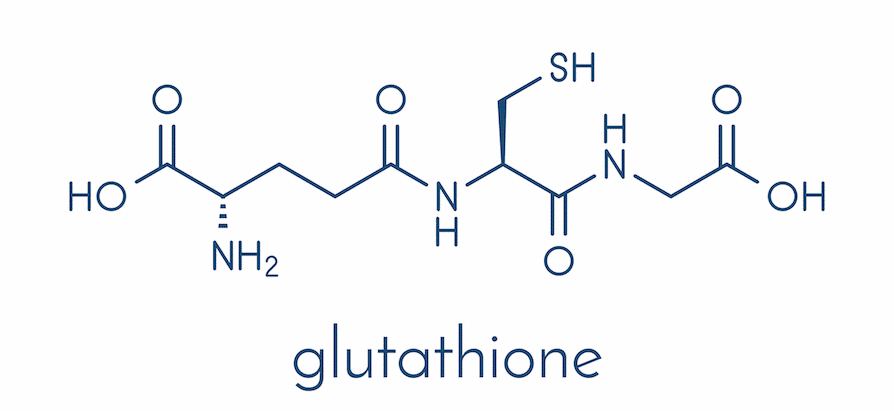
Since NAD+ metabolism generates NADPH for glutathione recycling, and glutathione protects against oxidative damage that depletes NAD+, maintaining both creates a reinforcing cycle of cellular protection
Therefore, the interaction involving the FOXO4-DRI peptide may host the potential to restore p53's ability to initiate the destruction of senescent cells through apoptosis