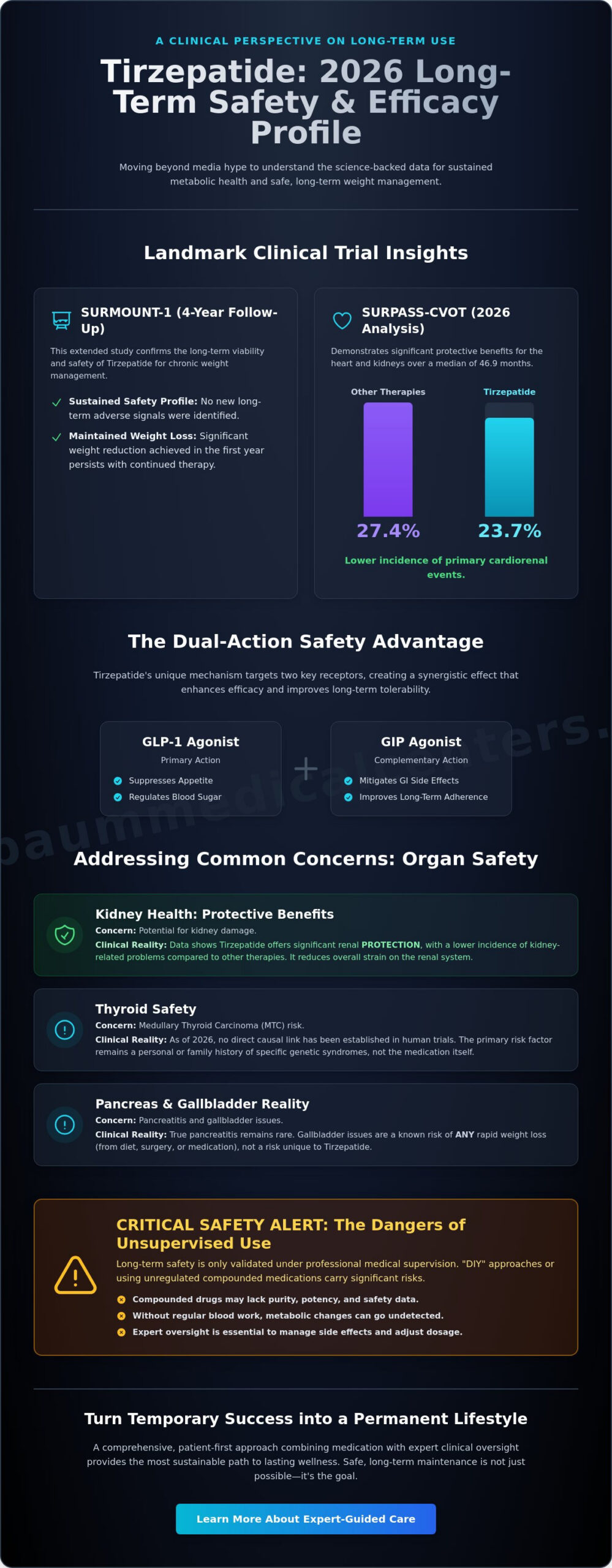
Individual risk-benefit assessment remains essential when considering tirzepatide therapy
Liquid calories
However, hormone therapy, like other non-surgical treatments, is only effective while it is being used
This is the single most important nutritional target on tirzepatide, more important than total calories, carbohydrate ratios, or any other macronutrient consideration
This approach produces layered responses in collagen, elastin, and extracellular matrix markers in controlled experimental settings

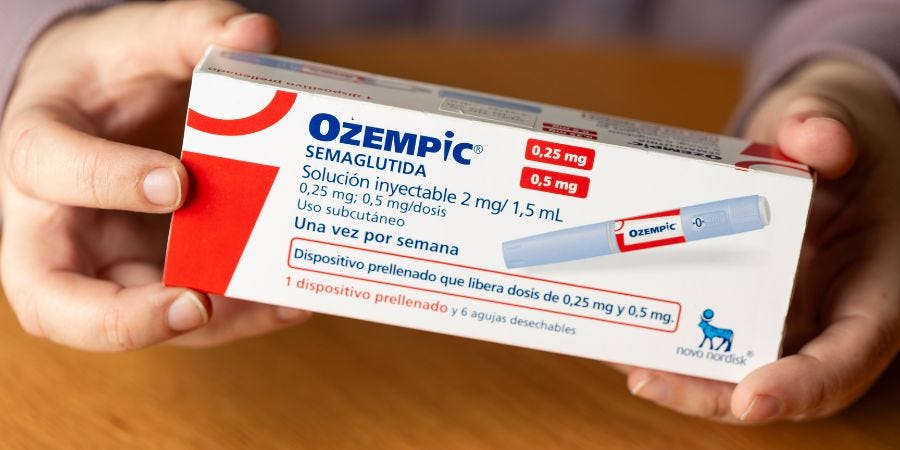
Established thrombotic risk factors commonly present in semaglutide users include: Obesity (BMI 30 kg/m), which increases VTE risk 2-3 fold [13] Type 2 diabetes and insulin resistance Prolonged immobility or sedentary lifestyle History of previous blood clots Active cancer or recent cancer treatment Recent surgery, particularly orthopedic or abdominal procedures Smoking Certain medications, including estrogen-containing contraceptives or hormone replacement therapy Inherited thrombophilias (clotting disorders) Advanced age (risk increases after age 60) Pregnancy and postpartum period (note that semaglutide should be discontinued when pregnancy is recognized) Patients initiating semaglutide should undergo comprehensive baseline assessment including medical history review, with particular attention to prior thrombotic events and family history of clotting disorders