GSH N-NAC-ALA GSH GSH 3
"This all appears to be a good news story," said Susan Jebb, a public health nutrition scientist at Oxford University and co-author of a new BMJ study
Wang Y, Wan G, Li Z, Shi S, Chen B, Li C, et al
Bo qun: Bo qun ni kh ro, thong mt v trnh nh sng
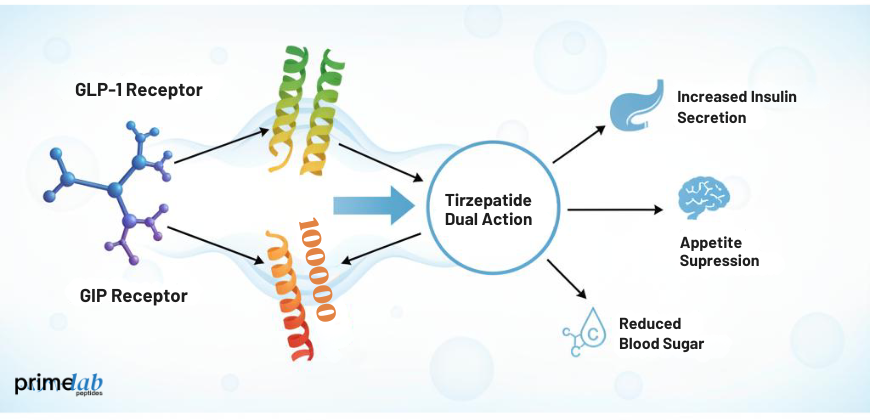
Shown below on the left is GLP-1 binding to the GLP-1 receptor, PDB 6B3J

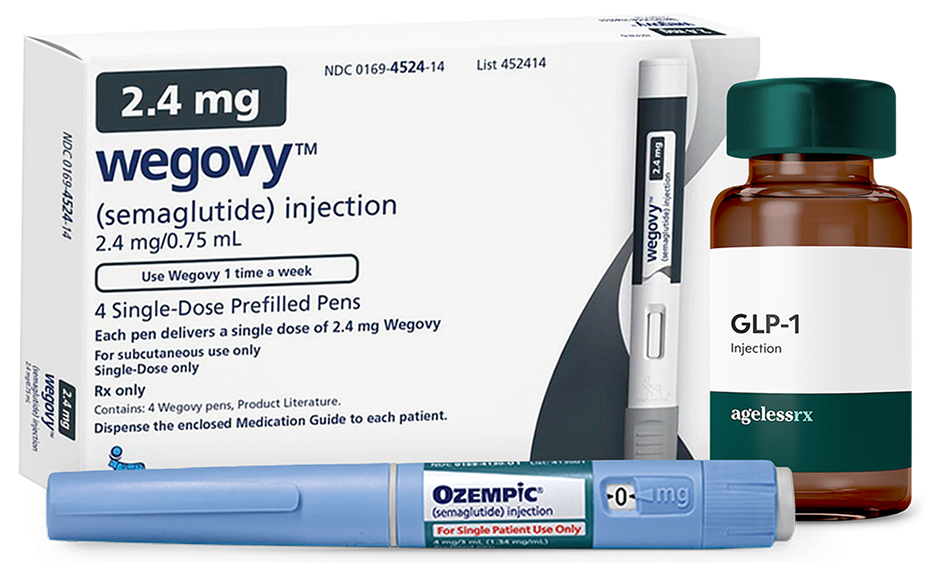
There are three impacts across the drug channel that immediately come to mind: Patient Savings (clear positive) High-deductible plan members will see real out-of-pocket relief Coinsurance payments drop proportionally with list price This addresses a major access barrier for GLP-1s Rebate-Focused Plans (coverage incentives) PBMs and health plans based on high rebates may need to renegotiate Some plans might reduce coverage if rebate guarantees shrink Responses by Eli Lilly/other GLP-1s will be important in the near term as plans prepare for 2027 strategies (which is right now) Medicaid Payments (budget pressure) State Medicaid agencies set their managed care rates based on upfront list (WAC) prices Lower list prices for these GLP-1s will be a budget relief for many states facing tight budgets right now Unlike the AMP cap removal in 2024 where manufacturers lowered list prices and the net price for the state went up (yes, drug pricing is complicated), the net price should be similar for the state, but with less upfront money required --- This move continues the saga of GLP-1 price wars, which is confusing for drug channels, but if nothing else, is a clear win for patients











:max_bytes(150000):strip_icc()/health-GettyImages-2025836701-ce3f5ccf0f98428e9d14abaeb07ba307.jpg)


