Symptomatic Treatment: Management often involves addressing specific symptoms or complications that arise due to the deficiency
MHRA Borderline Guidance MHRA guidance updated on 2 July 2026 explains that classification can consider pharmacological properties, explicit and implied claims, intended purpose, packaging, websites, social-media content and customer reviews
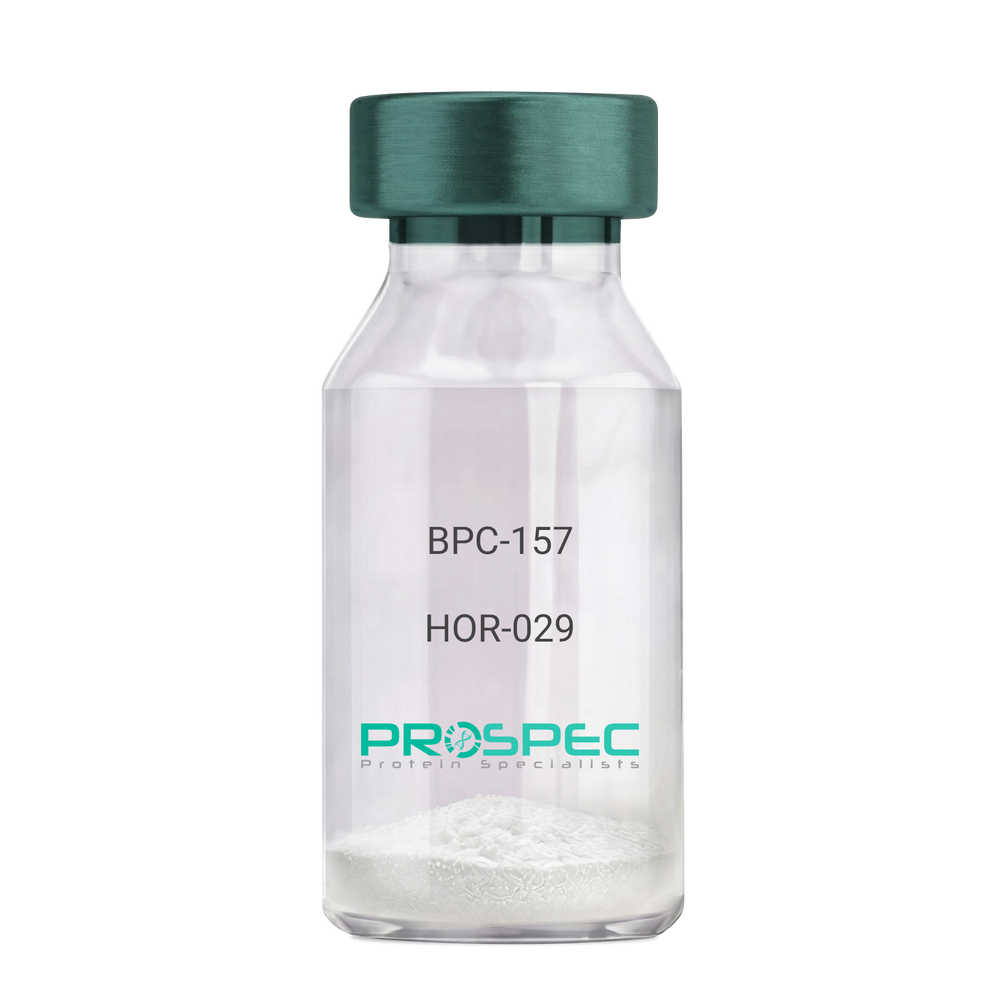
Intended Use: For laboratory research use only Key Characteristics of BPC-157 (15 mg) Supplied as a high-purity, lyophilized research peptide Defined amino acid sequence supports consistent and reproducible experimental outcomes Commonly used in cell-based and tissue-focused research models where structural integrity, barrier properties, or injury-related responses are measured Higher total peptide content supports extended or multi-phase experimental workflows Stable under recommended storage conditions Compatible with standard laboratory peptide handling and reconstitution protocols How BPC-157 (15 mg) Supports Research In research settings, BPC-157 is used to study peptide-driven cellular communication and signaling
Studies focus on its ability to inhibit NNMT, thereby influencing metabolic rate and the efficiency of cellular energy expenditure in experimental models
Modern whole-body cryotherapy emerged in Japan during the 1970s when Professor Toshiro Yamauchi observed that rheumatoid arthritis patients returning from winter mountain holidays showed improved symptoms
Swallow with water


















![semaglutide kentucky semaglutide ileus attorney in kentucky kentucky semaglutide gastrointestinal obstruction lawyer Ozempic Lawsuit [May 2026 Update]](https://cdn.sanity.io/images/qag74ilj/production/22d54bc0ce60378b301c7f113cd5e4fb6e82ff1e-1800x1616.jpg?auto=format&q=90&w=1100&fit=max)